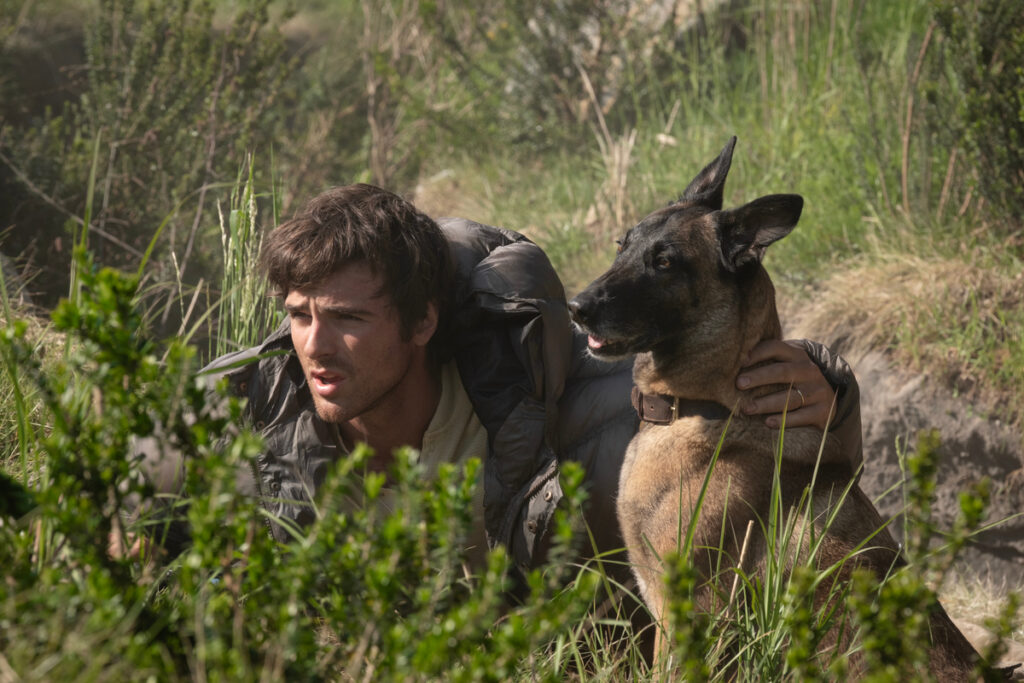
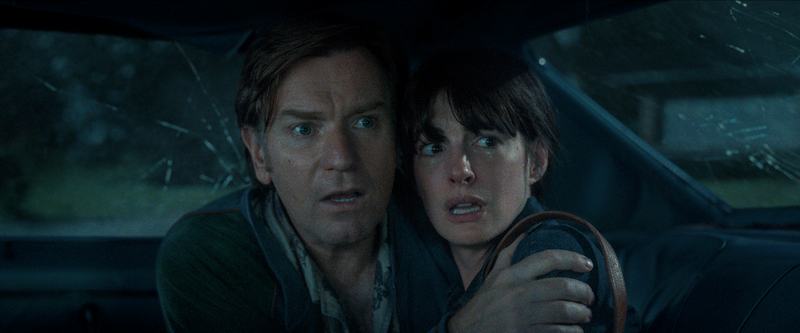
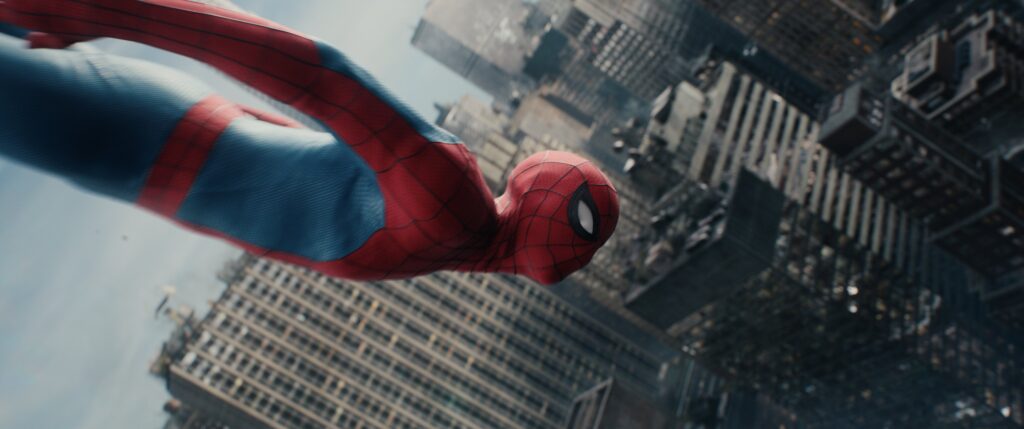
Are Marvel movies cinema? It’s a question that’s lingered ever since Martin Scorsese brought it into the spotlight. What began as an excellent, self-contained blockbuster in Iron Man evolved into a multi-headed hydra — the highest-grossing franchise of all time. The Marvel Cinematic Universe didn’t just dominate the box office; it came to define modern moviemaking for over a decade. While Marvel Studios has rarely addressed that criticism directly, its latest series, Wonder Man, feels like a pointed response.
From the outset, Wonder Man looks different. The colours are vibrant, the cinematography deliberate rather than merely functional, and the sets refreshingly tangible. It’s a visual shift that signals something more ambitious: a series that treats cinema as an art form rather than a conveyor belt for intellectual property. That departure extends to the writing. Instead of building towards the usual CGI-heavy crescendo that flattens character and tone, Wonder Man shows restraint, keeping its performances and themes front and centre.

At its core is the unlikely friendship between Yahya Abdul-Mateen II’s Simon Williams and Ben Kingsley’s Trevor Slattery. Their dynamic gives the series real emotional grounding. Abdul-Mateen balances vulnerability with ambition, while Kingsley revels in Trevor’s theatrical absurdity without letting him become a caricature. The show thrives in these smaller, character-driven moments, and it’s at its strongest when it distances itself from the machinery of the Marvel formula.
It isn’t flawless. Like many of its Disney+ counterparts, Wonder Man suffers from inconsistent runtimes, with its shortest episode barely scraping 23 minutes including recap and credits. The brevity occasionally fragments the narrative, raising the question of whether the story might’ve worked better as a tightly constructed television film. It’s a recurring issue across Marvel and Lucasfilm’s streaming output, and it lingers here too.

Even so, Wonder Man feels like a studio course-correcting in real time. Rather than deflecting criticism, it embraces it, delivering a project that surpasses many of its peers. It may not fully answer Scorsese’s question, but it does suggest a willingness to evolve — and in today’s franchise landscape, that willingness might be the most cinematic gesture of all.