There’s something indescribable about watching a restored film in a cinema. Not quite nostalgia, not entirely discovery — something in between. It’s the awareness that what you’re seeing has endured, carefully preserved against time’s slow erosion.
But restoration isn’t just about preservation; it’s about reclaiming how these films were always meant to be seen. In an era when cinema is often reduced to background viewing, fragmented across devices and distractions, restored screenings offer something increasingly rare: immersion. From the scale of the image to the collective stillness of a darkened hall, these are not luxuries but essential parts of the experience.
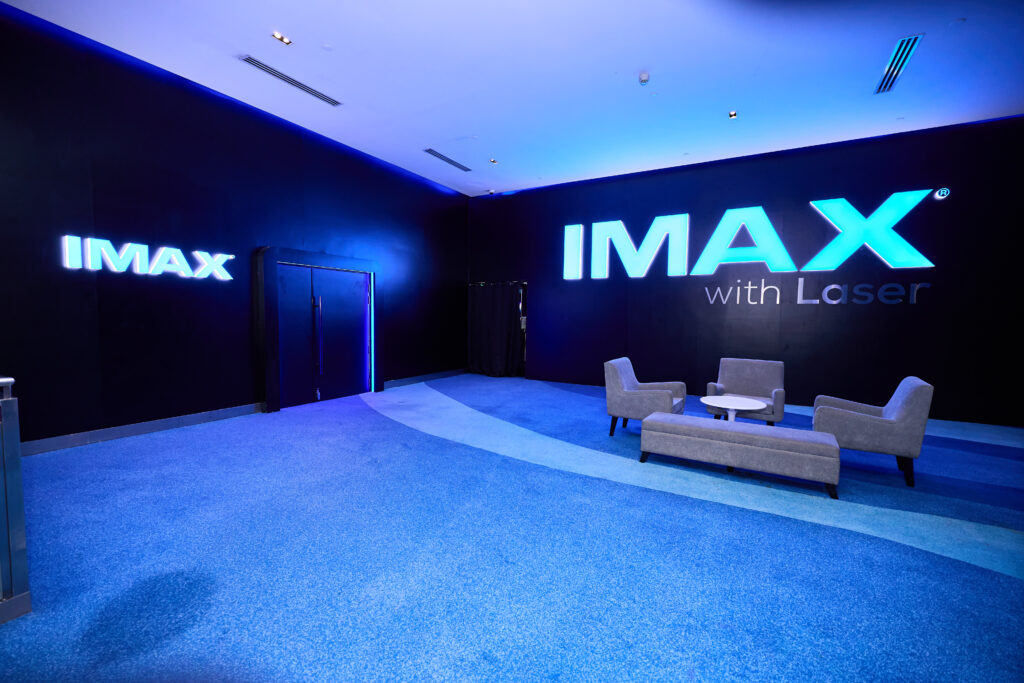
Through GSC International Screens, Malaysian audiences are being given the opportunity to experience these culturally significant works as intended. At the centre of this renewed focus is Yi Yi, a film that feels both intimately personal and quietly monumental, now returning in a form that fully honours its legacy.
Yi Yi Premieres in Malaysia
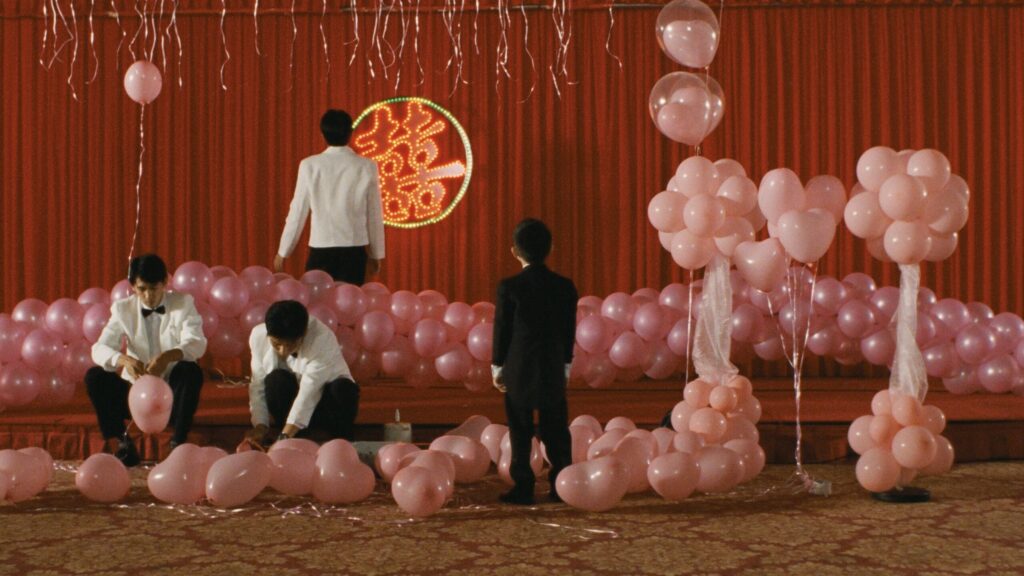
When Yi Yi premiered in 2000, it solidified Edward Yang’s reputation as one of the finest filmmakers in world cinema, earning him the Best Director award at the Cannes Film Festival. Over time, the film has come to be regarded as one of the most important works of the 21st century.
Yet Yi Yi was never designed for the way we often encounter films today. Its rhythms are patient, its compositions deliberate, and its emotional impact cumulative. It asks for attention not in bursts, but in duration. This is where restoration, and more importantly the theatrical experience, becomes essential.
In its restored form, Yi Yi reveals a precision that smaller formats struggle to contain. Reflections in glass, the geometry of interior spaces, and the quiet distance between characters are not incidental details, but the film’s language. On the big screen, they regain their full weight. To watch Yi Yi in a cinema is not simply to revisit a classic; it is to finally meet it on its own terms.
GSC International Screens and a Growing Culture of Film Restoration

Yi Yi arrives as part of a broader, ongoing effort by GSC International Screens to bring restored works of global cinema back into theatrical circulation. These are films that were always meant for the big screen. Across genres and eras, these restorations reveal the same truth: cinema changes when it returns to scale.
The restrained longing of In the Mood for Love gains new depth in its restored colours and rhythms, where Wong Kar-wai’s use of repetition and space becomes almost tactile. The monumental staging of Seven Samurai reasserts the physicality of Akira Kurosawa’s direction, where movement, weather, and scale are inseparable from meaning.
Even genre cinema takes on new resonance in restoration. The original Godzilla, long regarded as both a landmark of Japanese filmmaking and a reflection of post-war anxieties, gains renewed power in a theatrical setting. Paired with a contemporary counterpart like Godzilla Minus One, these back-to-back screenings highlight not just technical evolution, but the enduring cultural weight of the character across generations.
Why It Matters

What these screenings ultimately restore is not just image or sound, but context. Films like Yi Yi were conceived with the cinema in mind, its scale, acoustics, and ability to hold attention without interruption. To watch them outside of that environment is, in some sense, to encounter only a partial version of the work.
For younger audiences, this becomes a point of entry: a way of understanding not just what makes these films significant, but how they are meant to be experienced. For returning viewers, it offers something rarer, the chance to see a familiar film with new clarity, as if for the first time.
In this way, restoration becomes an act of cultural preservation. It ensures that important works are not only accessible, but encountered as intended, fully realised and fully felt. In a landscape defined by speed and convenience, they remind us that some films ask for more: our time, our attention, and a screen big enough to bring them back to life.