When it comes to a filmmaker’s impact on a specific culture, few rival the influence that Edward Yang has had on Taiwan. Though best known internationally for his sublime final work, Yi Yi, the film was not officially released to the public in Taiwan until 2017. Yet Yang’s work is so deeply intertwined with the island’s historical and social fabric that separating the two would be impossible. Across decades of cinema, he explores how inherited cultural ideals confront the pressures of modern life — a theme that would find its fullest resolution in Yi Yi.
Modernity and the Fracturing of Relationships
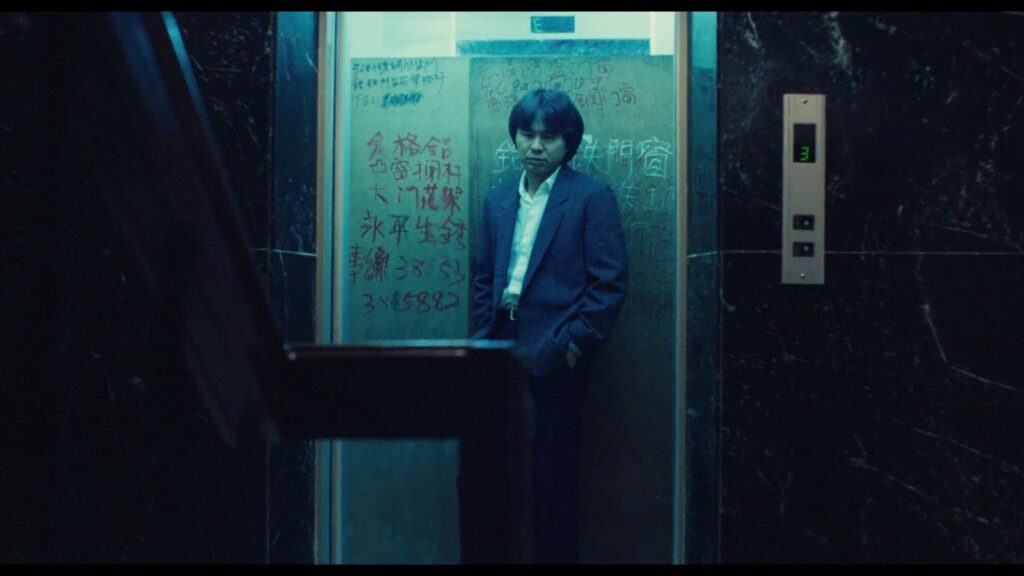
Much of Yang’s oeuvre grapples with infidelity as a symptom of broader social fractures. His debut, That Day, on the Beach, often associated with the emergence of the Taiwan New Wave movement, juxtaposes ideals of companionship with societal expectations. He returns to these tensions in Taipei Story, where romantic relationships unfold against a city rapidly reshaped by economic growth. Across both films, Yang develops a sceptical view of whether inherited Confucian ideals can survive the demands of modernisation.
History and Unstable Identity

This scepticism is rooted in Taiwan’s layered historical identity. Following the retreat of the Kuomintang in 1949 after defeat by the Chinese Communist Party, the island struggled to define itself politically and culturally. This was further complicated by five decades of Empire of Japan rule. Admiration and anxiety toward foreign powers — particularly Japan and the United States — recur throughout Yang’s work. These tensions crystallise in The Terrorizers, which portrays Taipei as a city of intersecting lives shaped by social uncertainty and institutional fragility.
Yang’s films often suggest that the collision between inherited tradition and modern pressures brings out the worst impulses in people: possession masquerades as affection, organised thuggery expresses toxic masculinity, and institutionalised corruption replaces dependable justice. While The Terrorizers traces these tensions in contemporary Taipei, A Brighter Summer Day, inspired by the 1961 Taipei teenage murder case, depicts adolescent violence within the volatile atmosphere of 1960s Taiwan. Opening and closing title cards contextualise the island after the Kuomintang’s retreat, revealing how instability shapes youth experience. Here, adolescent violence is less an aberration than a symptom of broader cultural disorientation.
Prosperity, Alienation, and Moral Drift
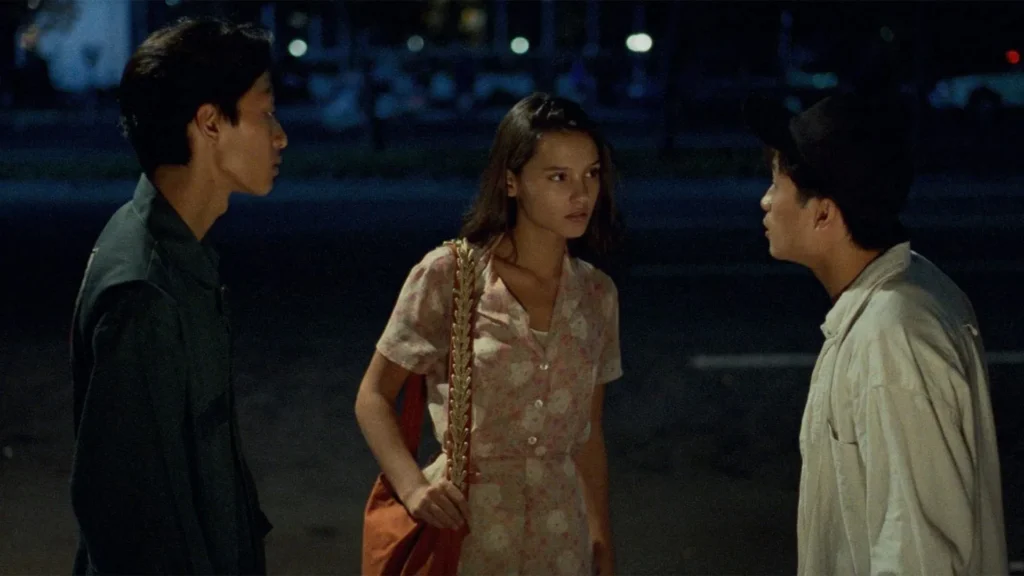
Yang intensifies this critique in A Confucian Confusion and Mahjong. The former, his most overtly metatextual film, reflects his shifting role as a filmmaker amid Taiwan’s economic transformation. Though satirical, a darker undercurrent permeates the narrative: rather than depicting early-1990s Taiwan as an economic utopia, Yang exposes the moral emptiness lurking beneath prosperity. Characters scheme, gossip, and drift through cycles of emotional and physical infidelity, governed more by opportunism than genuine affection.
This portrait of urban life escalates in Mahjong, where manipulation intensifies and consequences turn brutal: sexual exploitation, financial deception, and sudden violence underscore how social and economic pressures exacerbate alienation. Yet in its closing moments, Yang hints at a different possibility. Up to this point, his films largely traced the nihilism of a capitalistic society; here, he gestures toward a new trajectory, one that would find its fullest expression in Yi Yi.
Empathy and the Possibility of Connection
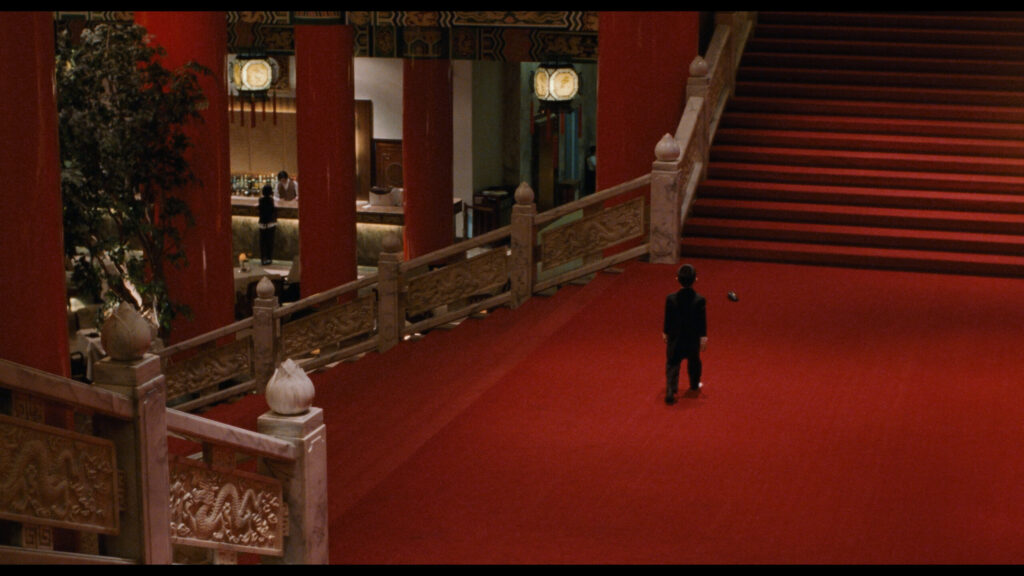
That possibility finds its clearest expression in Yi Yi, Yang’s final and most quietly expansive meditation on modern life. Rather than dramatising social collapse, the film observes a family drifting through parallel crises of regret, guilt, and uncertainty. Yet where earlier films lingered on alienation and moral decay, the ending of Yi Yi gestures toward a more measured understanding of human connection. The film suggests that people remain separated less by malice than by limited perspective, and that empathy may serve as a bridge between individuals and generations. In this way, Yang’s final work reframes the pessimism that once defined his cinema, suggesting that attentive understanding — rather than certainty — may be the closest thing to grace in a fragmented modern world.
About the 4K Restoration
The 4K restoration of Yi Yi lets audiences experience Edward Yang’s masterful vision in stunning clarity, from delicate performances to intricate urban landscapes. By bringing this world cinema landmark to screens, GSC International Screens ensures Yang’s exploration of family, empathy, and modern life continues to inspire new generations globally. For readers unfamiliar with the film, we previously explored why modern audiences should experience Yi Yi and examined its place within East Asian cinema.