If the 30-year media cycle is anything to go by, The End of Oak Street arrived about a decade too late. Set firmly in the 1980s and packed with references to Steven Spielberg’s creative output from the decade, the film wears its influences proudly, sometimes to a fault. That makes its status as Bad Robot’s first production since 2019’s Star Wars: The Rise of Skywalker, and the first under its five-year overall deal with WarnerMedia, all the more fitting. The End of Oak Street is as safe as it gets: a film that ticks almost every box of a J.J. Abrams picture without actually being directed by him.
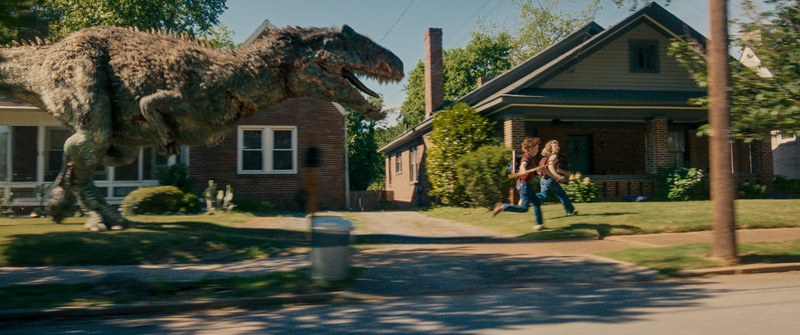
Not that the film is particularly hesitant to embrace such comparisons. Virtually every aspect of its promotion puts Abrams’ producing credit front and centre, making his fingerprints difficult to overlook even when he isn’t behind the camera. Directed by David Robert Mitchell, whose work on It Follows earned considerable praise, the film makes a concerted effort to elevate its dinosaur sequences into genuinely unnerving horror set pieces. That makes its tonal inconsistencies all the more jarring: The End of Oak Street is equal parts engaging monster horror and sappy character drama, with the latter bearing all the hallmarks of Abrams’ signature style. The result is a film caught between two impulses, one far more compelling than the other.
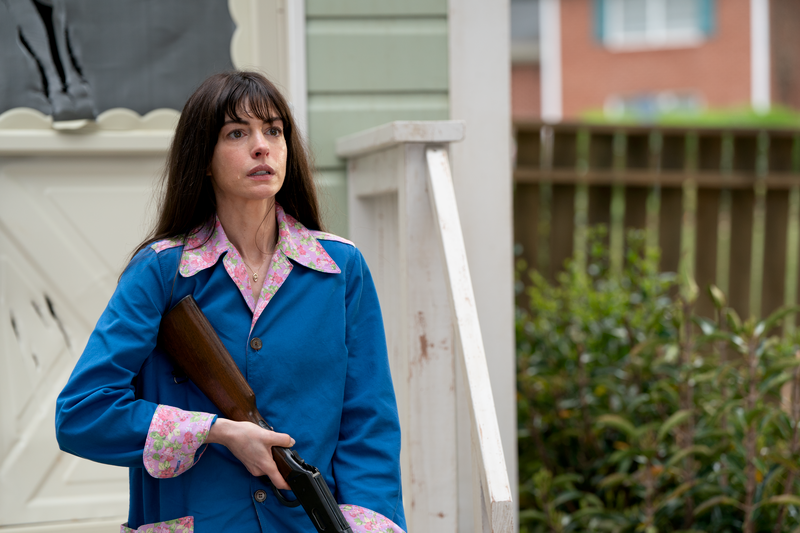
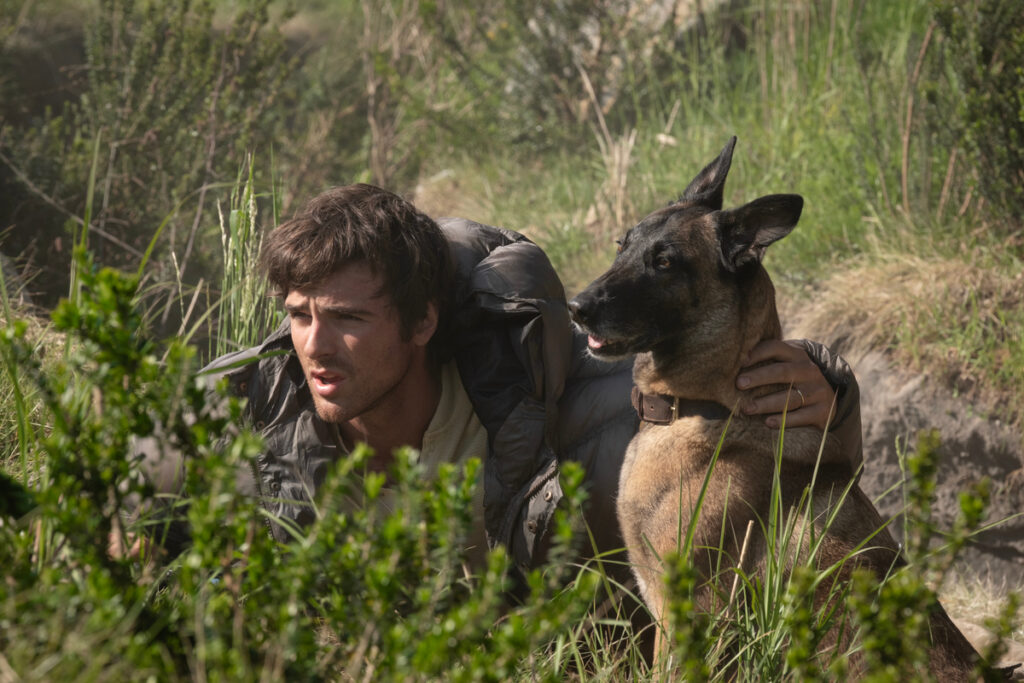
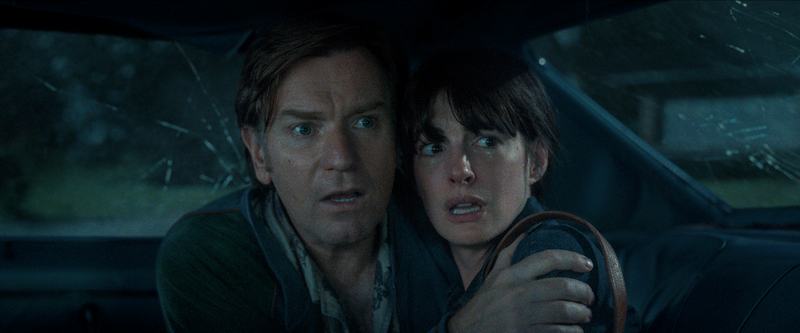
Anne Hathaway’s Denise Platt is easily one of the film’s standouts, turning what’s otherwise an unengaging and decidedly unoriginal script into something approaching semi-decent through an engaging and genuinely emotional performance. Ewan McGregor’s Greg Platt, meanwhile, feels frustratingly underutilised, with the character repeatedly dumbed down simply to manufacture the dramatic stakes the script needs. The younger cast members fare reasonably well given what they’ve got to work with, although it’s often clear that the script doesn’t quite know what to do with them. Indeed, it’s hard to tell where the film’s attempts to emulate Spielberg’s penchant for group dynamics end and its genuine attempts at characterisation begin. What should feel like an ensemble gradually starts to resemble a collection of characters being moved into position to serve the plot.
The film’s strongest asset, however, may be its technical execution. The special effects are excellent, while the memorable dinosaur designs elevate what are already some of its best sequences. Mitchell also demonstrates a strong sense of pacing, allowing the film to build steadily before everything inevitably goes haywire. Visually, The End of Oak Street is equally impressive. Its decision to mimic the look and feel of classic 1970s and ’80s blockbusters is perhaps one of the few aspects of its deliberate nostalgia that works spectacularly, capturing the texture and visual language of that era of Hollywood filmmaking without feeling like an empty exercise in imitation.
When J.J. Abrams hit the stratosphere with Mission: Impossible III, he was often compared to Spielberg, and at the time, the comparison was largely meant as a compliment. Yet over the years, Abrams has never quite seemed capable of escaping the shadow of the Jurassic Park director. The End of Oak Street is perhaps the clearest example of that influence becoming less an inspiration than a limitation. While its effects, dinosaur designs, atmosphere and visual aesthetic are frequently excellent, its derivative storytelling and sentimental character drama ultimately leave it feeling like a polished imitation of the kind of blockbuster filmmaking Abrams has spent much of his career trying to recreate.