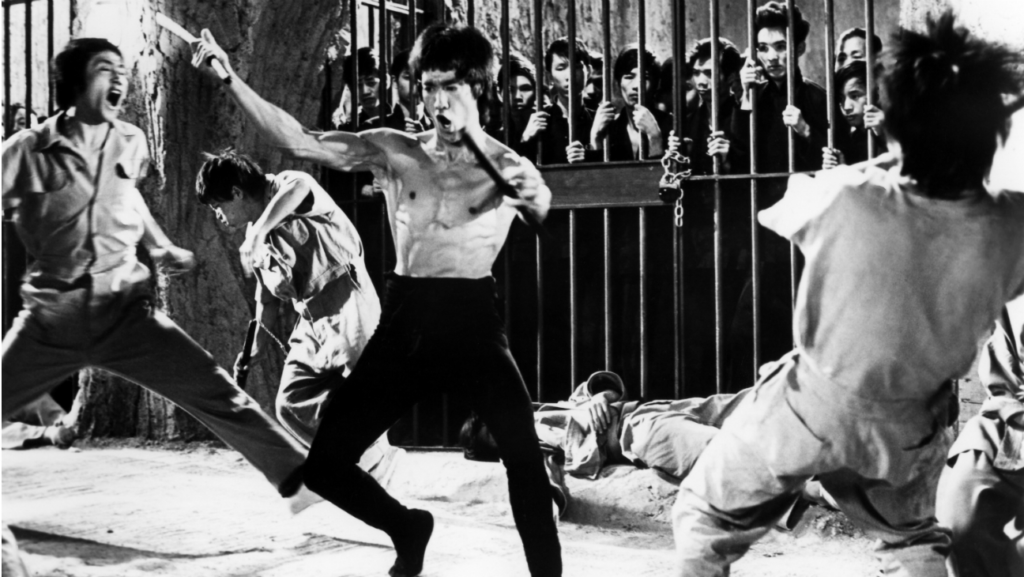
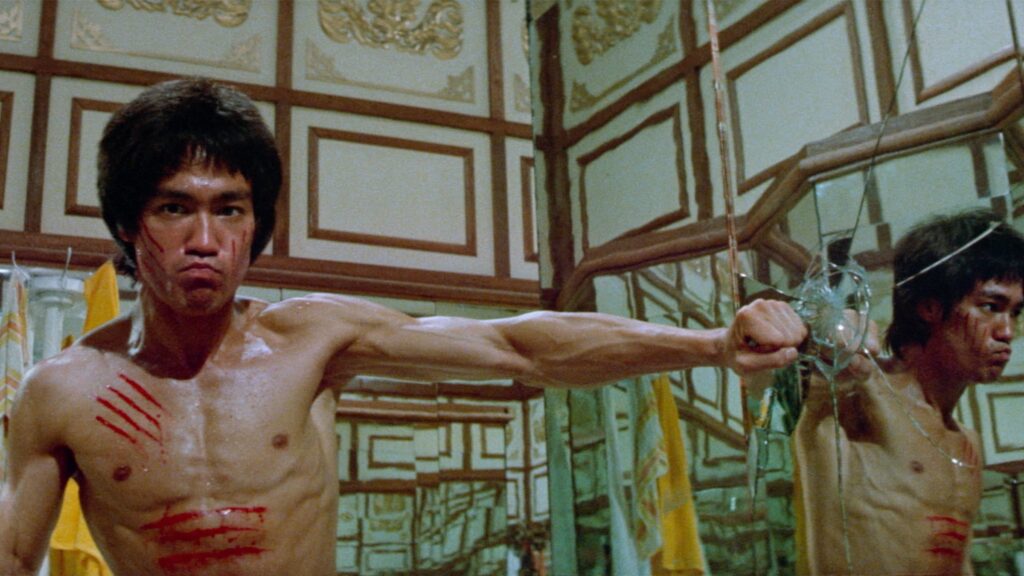
It was the summer of 1973, and Bruce Lee’s first major Hollywood-studio film as a leading man was poised to become one of the biggest blockbusters of the year. Enter the Dragon would go on to surpass all expectations, catapulting Lee’s already illustrious career as a movie star into global superstardom. Alas, Lee did not live long enough to witness the film’s immense success, having died just weeks before its premiere at Grauman’s Chinese Theatre in Hollywood.
The impact of Enter the Dragon cannot be overstated. Its opening scene, along with Lee’s broader philosophy as a martial artist, has often been cited as an influence on the development of mixed martial arts. His screen presence and physical prowess have also been credited with pushing the boundaries of Asian representation in Western cinema, at a time when Asian characters and performers remained constrained by the racial stereotypes of the 20th century. But Lee’s influence extends beyond the silver screen, reaching into an arena where his legacy remains playable: video games.
Enter the Games
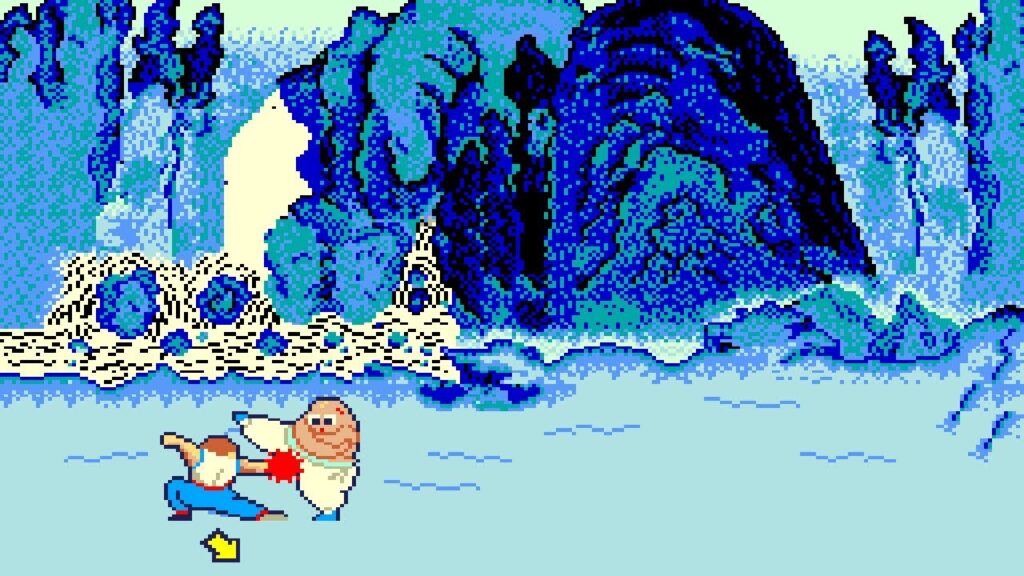
But Lee’s influence extends beyond the silver screen, reaching into an arena where his legacy remains playable: video games. His distinctive fighting style, lightning-fast strikes and unmistakable screen presence would leave an indelible mark on the fighting-game genre. As early as 1984, Yie Ar Kung-Fu featured Oolong, a protagonist inspired by the martial arts legend, foreshadowing the rise of a genre that would captivate generations of players.
In the years that followed, franchises such as Street Fighter, Mortal Kombat and Tekken would take the genre to new heights, introducing characters who channelled aspects of Lee’s fighting philosophy and on-screen persona. From Fei Long and Liu Kang to Marshall Law, these digital fighters would carry his legacy into a new medium, immortalizing his influence for audiences who may never have seen his films. Decades later, these franchises remain cultural juggernauts, continuing to resonate with gamers well into the 2020s.
And if Lee’s influence on video games was not enough, the martial arts legend had one final gift left for the world. Before signing on to Enter the Dragon, Lee had already been hard at work on his next feature, The Game of Death. But tragedy struck before he could see his vision through. Roughly a third of the film, including portions of its climactic fight sequences, had been shot when Lee died suddenly from cerebral edema in July 1973.
For years, the fate of the unfinished project remained shrouded in mystery, until producer Raymond Chow resurrected it in 1978 (simply titled Game of Death), piecing together a radically reworked version with body doubles, recycled footage and a narrative far removed from Lee’s original vision. The result was a Frankenstein’s monster of a film, made all the more unsettling by the inclusion of actual footage from Lee’s funeral. Critics were less than kind, but beneath the awkward edits and questionable creative decisions lay glimpses of something extraordinary: Lee at the height of his powers, preserved on film for generations to come.
The Legacy of Game of Death
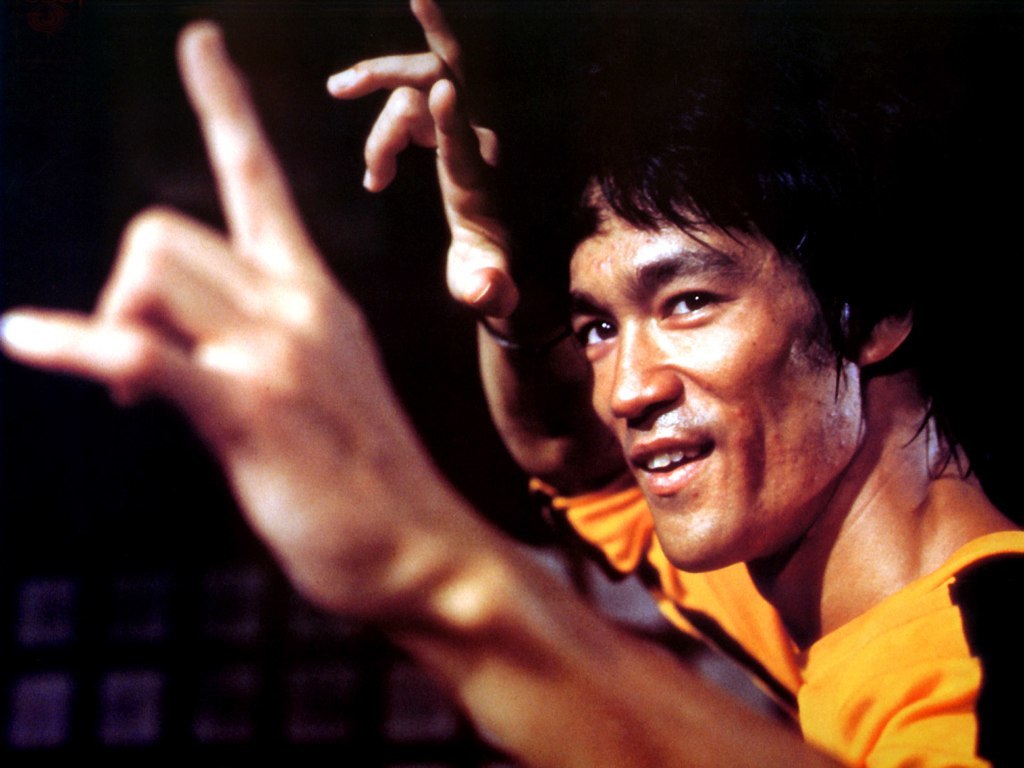
At the heart of Lee’s original vision for The Game of Death was a simple yet engaging premise. His character, Hai Tien, would ascend a five-storey pagoda, each level guarded by a formidable martial artist specialising in a different fighting discipline. To reach the top, Hai would have to adapt, improvise and abandon conventional techniques whenever they proved inadequate. It was Lee’s philosophy of Jeet Kune Do brought to life on screen: the ability to absorb what was useful, discard what was not, and respond freely to whatever stood in his way. Little could Lee have imagined that this unfinished sequence would go on to influence an entirely different medium.
The blueprint would first find its way into arcades through Kung-Fu Master in 1984. Its five-level structure, culminating in a succession of increasingly formidable opponents, bore unmistakable parallels to Lee’s original concept. The game would, in turn, help shape the development of Super Mario Bros., following Shigeru Miyamoto’s work on the Nintendo Entertainment System. From the pagoda to the arcade, and eventually to the Mushroom Kingdom, the influence of Lee’s vision had travelled further than anyone might have expected. The connection between a martial arts legend and one of gaming’s most enduring franchises is a remarkable legacy in itself.
Enduring Legacy in Gaming and Beyond
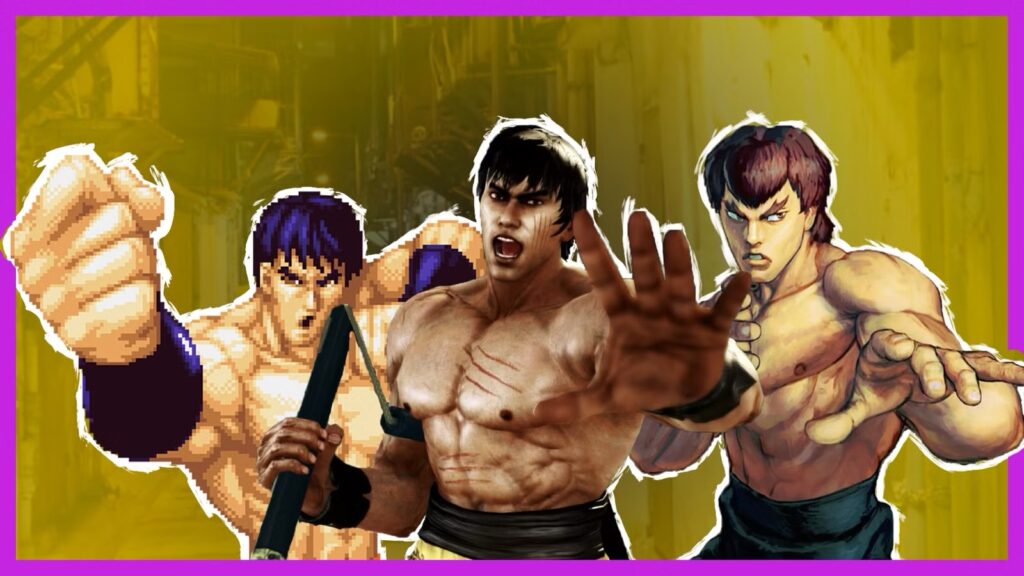
Shannon Lee once referred to her father as a consummate artist. Looking at the breadth of his influence, from Hollywood to the arcade and eventually the living rooms of millions, it is difficult to argue otherwise. And as Mortal Kombat II and Street Fighter make their way to the big screen in 2026, there is a certain poetry in how it all comes full circle, back to Enter the Dragon, the film that helped introduce Lee to the world on an unprecedented scale. Perhaps Lee would not have been all that surprised by the enduring reach of his work. After all, his philosophy was built on the idea of “using no way as way; having no limitation as limitation.” More than five decades after his death, his influence continues to transcend mediums, generations and even the boundaries between them. If that is not the mark of a consummate artist, then what is?