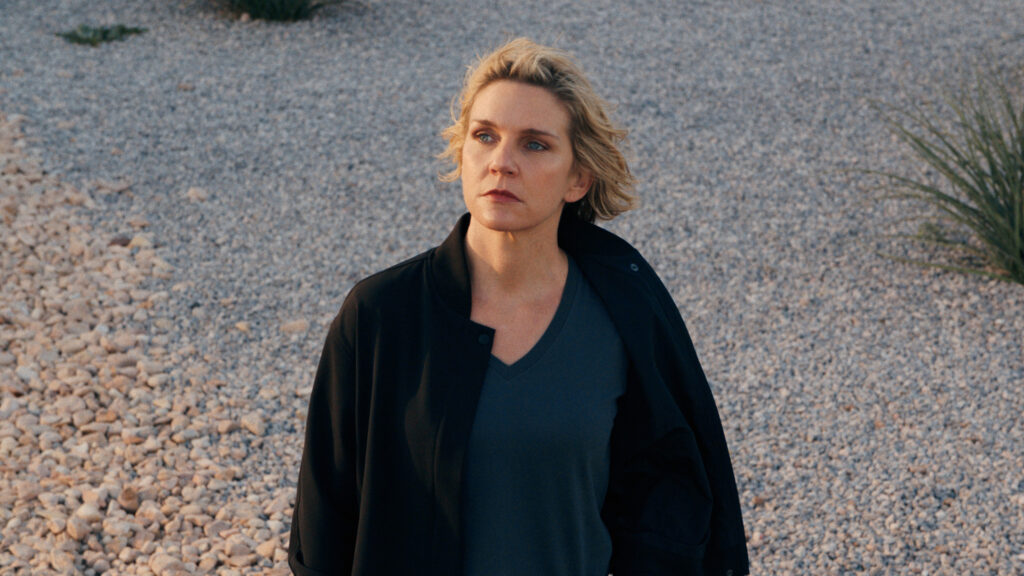
If 28 Years Later: The Bone Temple suggests anything, it’s that this long-running zombie saga still has life and purpose left in it. Released just six months after 28 Years Later, Nia DaCosta’s sequel continues a franchise nearly twenty-five years in the making. With a more traditional visual language, a delightfully strange supporting cast, and a renewed commitment to emotional storytelling, The Bone Temple functions not just as a continuation but as an effective escalation, deepening the drama while respecting the series’ legacy.
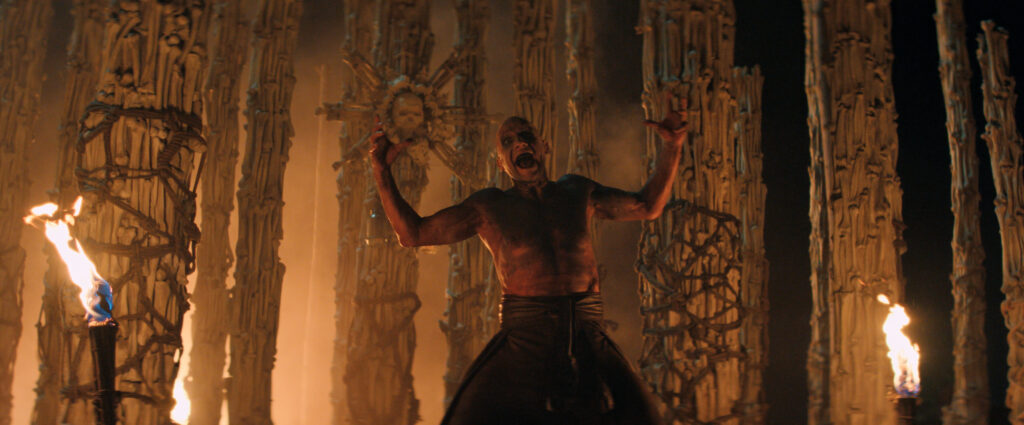
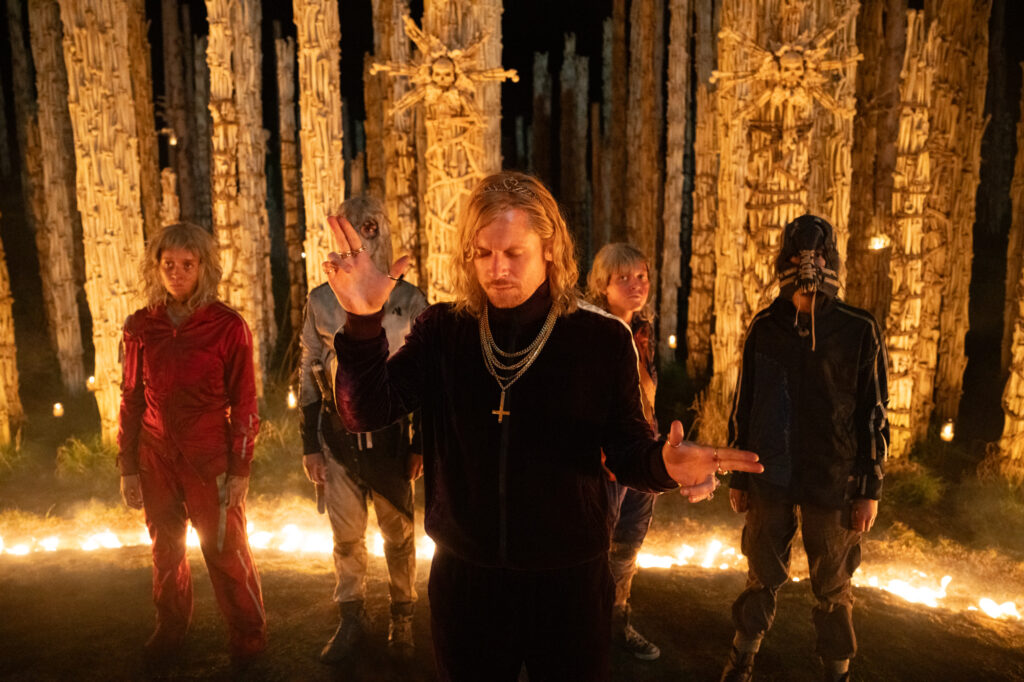
With 28 Years Later having already laid the groundwork for this new trilogy, The Bone Temple wastes little time getting the ball rolling. An effective opening quickly establishes Jimmy Crystal (Jack O’Connell) and his cultists as a genuine threat, one whose presence ultimately looms larger than the undead themselves. By shifting the primary antagonistic force from zombies to humans, the film opens fresher, more unpredictable storytelling avenues, placing Spike (Alfie Williams) in a situation unlike anything he has faced before. It’s a smart recalibration that reinforces one of the oldest truths: people have always been the real danger.
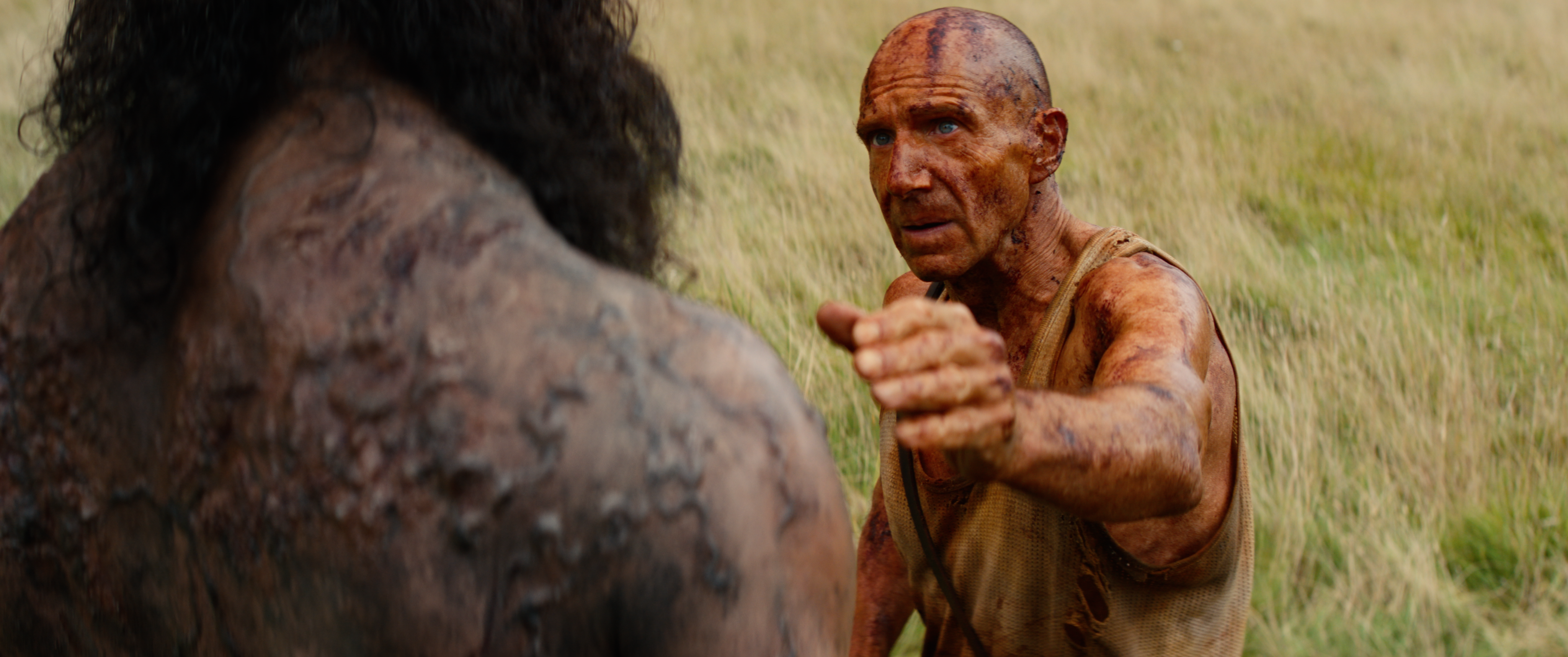
The film’s willingness to explore new territory also extends to Samson’s (Chi Lewis-Parry) role in The Bone Temple. Taking on a far more active presence this time, Samson becomes central to the film’s most compelling dynamic, his evolving relationship with Dr. Kelson (Ralph Fiennes). Written by Alex Garland, The Bone Temple sidesteps many of the genre’s most familiar tropes, steering the narrative in directions that may catch audiences off guard. By embracing the inherent unpredictability of its world, the script turns uncertainty into its greatest strength, resulting in a story that feels strikingly human.
That humanity is further elevated by a cast firing on all cylinders. Performances across the board feel textured and purposeful, grounding the film’s stranger impulses in emotional truth. Fiennes is the clear standout, clearly relishing the moral and philosophical playground Garland’s script provides. He’s very obviously having the time of his life, delivering a performance that is equal parts theatrical and dramatic, commanding attention whenever he’s on screen without tipping into self-indulgence. Opposite him, O’Connell is equally compelling as Jimmy Crystal, imbuing the cult leader with a manic yet disarming charisma that makes his influence feel disturbingly plausible.
DaCosta’s more restrained technical approach also marks a noticeable improvement over its predecessor. Unlike 28 Years Later, whose “shot on iPhone” approach has been discussed to death, 28 Years Later: The Bone Temple opts for a more conventional digital presentation that immediately elevates the film’s visual consistency. The result is a movie that looks better, but more importantly, allows the story to take centre stage rather than being overshadowed by the format used to capture it. If it ain’t broke, don’t fix it.
Ultimately, 28 Years Later: The Bone Temple succeeds because it understands exactly where this franchise is in its lifespan. Rather than attempting to reinvent the wheel, DaCosta and Garland focus on refinement, deepening character dynamics, shifting the threat inward, and trusting the story to carry the weight without stylistic distraction. By foregrounding human conflict over spectacle and emotional consequence over novelty, The Bone Temple not only justifies its own existence but strengthens the emotional core of this new trilogy. If 28 Years Later was about reintroducing the world, The Bone Temple is about complicating it, and in doing so proves that this saga still has something meaningful left to say.