It was only a few years ago that Pixar seemed to be facing something of an identity crisis. After a brief stretch of abandoning theatrical releases, underwhelming box office returns, and an uncharacteristic emphasis on developing sequels, many began to wonder whether the once industry-defining animation juggernaut had already seen its best days. If Hoppers is any indication, though, it would be foolish to count the studio out just yet.
To no one’s surprise, the animation is once again among Pixar’s greatest strengths. The environments are stunningly lifelike, with forests, rivers and landscapes rendered with a level of detail that often borders on photorealistic. At the same time, the studio’s trademark creativity remains firmly intact. The animals themselves are irresistibly adorable, a design choice that does more than simply appeal to younger audiences — it helps anchor the emotional core of the story, making it easier for viewers to connect with the characters and their journeys.
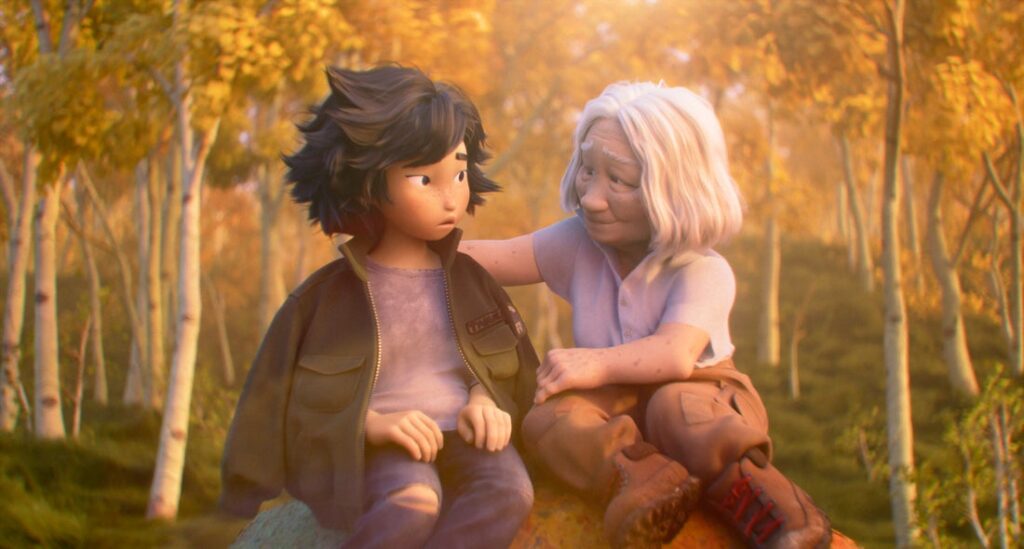
Beyond the visuals, Hoppers also benefits from a script that proves more thoughtful than its premise might initially suggest. Rather than framing its central conflict in clear-cut terms of good versus evil, the film leans into the grey areas between the two. Heroes and villains are rarely exact opposites here; instead, their methods and motivations often overlap in surprising ways. In doing so, Hoppers subtly reinforces the idea that everyone sees themselves as the hero of their own story.
What makes this particularly impressive is the foundation on which the film is built. On paper, Hoppers operates on what could easily have been a B-movie sci-fi concept. Yet Pixar manages to elevate the premise through sharp writing and a cast of engaging characters that bring genuine warmth to the narrative. While the studio has experimented with unconventional ideas before — as seen in Onward — Hoppers feels more confident and refined in its execution.
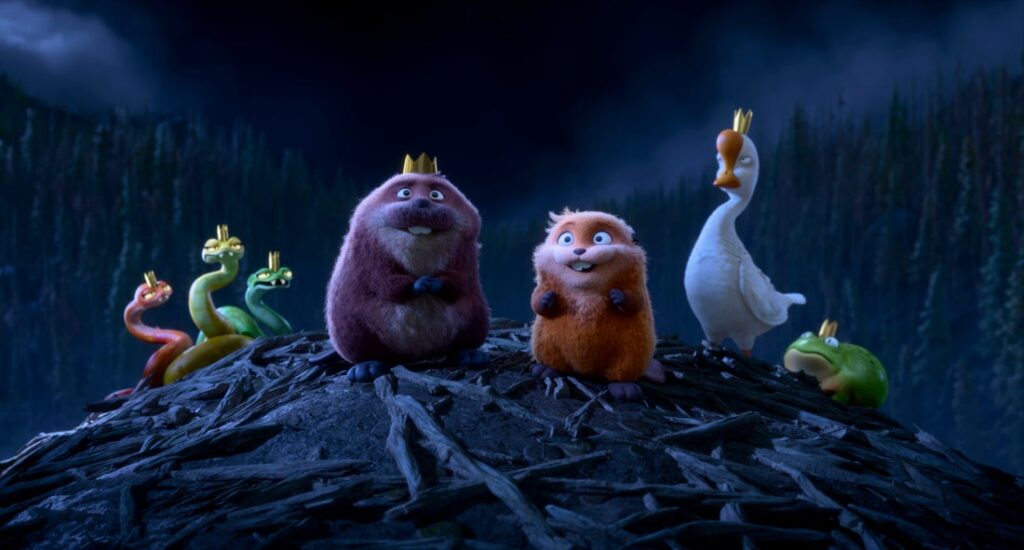
The film also does considerable heavy lifting in the worldbuilding department. In Hoppers, Pixar’s depiction of the animal kingdom feels surprisingly layered, complete with its own ecosystems, rival factions and even hints of political dynamics. Small, blink-and-you-miss-them Easter eggs are scattered throughout as well, likely to spark fresh discussions around the now famous — or perhaps infamous — Pixar Theory among eagle-eyed fans.
All of these elements ultimately work in tandem to deliver a story that lands emotionally. The film wastes little time establishing Mabel’s central motivation before gradually introducing the relationships and conflicts that shape the narrative. As a result, Hoppers moves at a brisk pace while rarely feeling overcrowded, allowing its emotional beats to land without getting lost in the spectacle. If Pixar’s recent years suggested a studio searching for its footing, Hoppers instead feels like a confident reminder of what made audiences fall in love with the company in the first place.