Based on true events, Dongji Rescue is inspired by the 1942 Lisbon Maru incident, where local fishermen rescued British POWs after their ship was sunk. While the film takes creative liberties, the dramatised elements effectively enhanced its emotional impact. With commanding performances from its leads, gripping sea-bound set pieces, and a tone that honours the gravity of its subject matter, the film manages to leave a lasting impression—even as it wrestles with uneven pacing and editing choices.
The heart of the film lies in the performances of Zhu Yilong, Leo Wu, and Ni Ni. Zhu and Wu portray a compelling pair of siblings thrust into a rescue mission far greater than themselves. Zhu’s Ah Bi, in particular, undergoes a well-handled character transformation. He begins the film as a hardened, pragmatic survivor, but slowly reveals emotional layers as the story progresses. His arc is shaped by duty, loss, and the hope of redemption. Ni Ni’s Ah Hua, though given limited screen time, leaves a strong impression. Her performance brings emotional weight, anchoring the film’s quieter, more dramatic moments.

Dongji Rescue does not shy away from depicting the horrors of war. Scenes showing the atrocities committed by the Japanese are difficult to watch, yet never feel gratuitous. Instead, they serve as a stark and necessary reminder of what was at stake, grounding the story in historical truth and setting a serious tone early on. These moments add emotional heft and act as a staunch warning to newer generations about the cost of war and the fragility of peace.
Technically, the film is a success in many regards. The sea sequences are breathtaking, crafted with an emphasis on practical effects that lend an authentic, visceral edge. While some CGI is noticeable in a few scenes, it rarely detracts thanks to the film’s strong commitment to practical effects. Crashing waves, groaning ships, and storm-tossed decks feel immediate and dangerous, making for an immersive viewing experience that captures the chaos of sea-bound warfare.
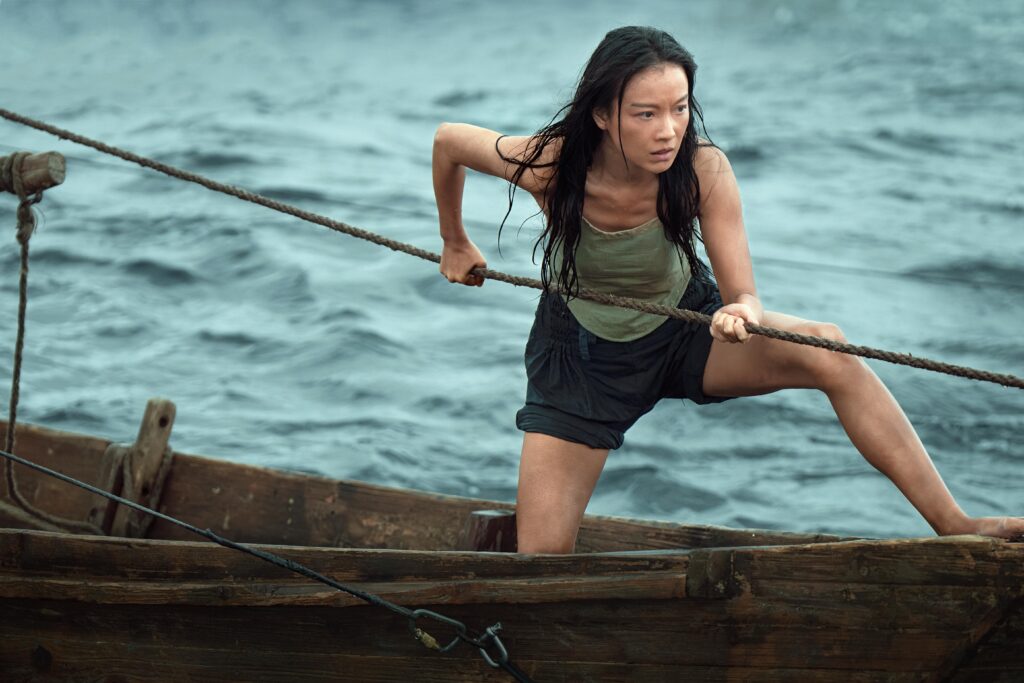
Though the film tackles heavy themes, it isn’t relentlessly grim. Brief, well-placed moments of levity—small exchanges and quiet humour—offer necessary emotional breathing room and help deepen our connection to the characters.
However, the film struggles with pacing, particularly in its first two acts. Despite a relatively standard runtime, the story unfolds slowly, and its structure—jumping around in time—leads to a sense of disorientation. This non-linear approach, while likely intended to build suspense, often undercuts tension and momentum due to choppy editing that breaks immersion. In addition, dim lighting in night sequences can be distracting as well. These scenes are atmospheric but at times so underlit that it becomes difficult to follow the characters, detracting from otherwise well-composed cinematography.
Despite its imperfections, Dongji Rescue is an affecting and ambitious wartime drama. Thanks to its strong cast, technical realism, and emotional authenticity, it succeeds in honouring the real-life heroism it depicts. Dongji Rescue is a solid wartime drama that’s well worth a watch.